Water Extraction & Removal in Spicewood, TX
Standing water damages more the longer it sits. Local crews pull it fast with truck-mounted and portable extractors, then moisture mapping traces what soaked in.
(737) 530-9201Tap to call the 24/7 dispatch line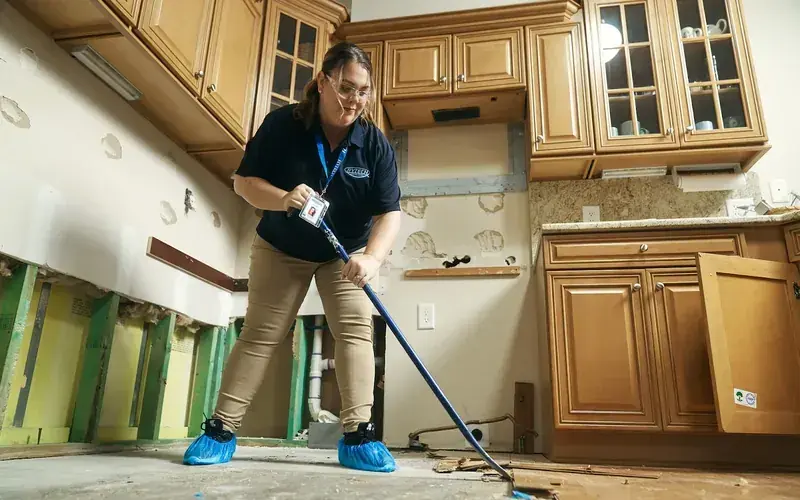
Getting the standing water out is the first and most urgent step of any water loss. Every hour it sits, more of it wicks into the slab, the subfloor, the walls, and whatever is stored on the floor, turning a cleanup into a rebuild. Texas Dry Home answers around the clock and rolls with truck-mounted and portable extraction so the water is gone fast, then the crew moisture-maps everything it touched so nothing wet stays hidden.
How water extraction and removal is handled in Spicewood
Call and dispatch
The response team answers 24/7, and the nearest Spicewood crew heads out with pumps, air movers, and moisture meters.
On-site assessment
The crew finds the source and the full reach of the water, including what soaked into the slab, subfloor, and wall cavities.
Extract and dry
The extraction crew pulls the standing water, then runs air movers and dehumidifiers to a verified dry standard, not just the surface.
Verify and document
Moisture readings are logged until the structure is dry, then the loss is documented with the photos and daily readings an adjuster needs to move a claim.
When you need emergency extraction
Any loss that leaves water on the floor needs extraction first, whatever the source:
- A flash flood or storm that pushed water into a lower level
- A slab leak or burst supply line that ran across the floor
- A water heater or appliance that emptied its load into the house
- A septic or drain backup that surcharged onto the floor
The Ready.gov flood guidance stresses acting quickly and safely once water is in the home, and extraction is where that starts.
How water extraction works in Spicewood
The extraction crew confirms the power is safe and the source has stopped, then matches the gear to the job. Truck-mounted extractors move high volumes fast for a large loss, submersible pumps clear a flooded lower level, and portable units pull water from carpet, pad, and tight spaces. As the work goes, the crew extracts from the slab and subfloor, not just the surface pooling, and lifts or discards soaked pad that would otherwise trap water against the floor. Then the crew moisture-maps the whole area with meters so the drying plan covers every wet cavity.
Standing water in your home right now? Call and a crew is on the way across the Lake Travis Hill Country, day or night, with extraction gear ready.
☎ Call (737) 530-9201Extract first, then dry, in that order
Pulling the bulk water out is what makes drying possible. Running fans over standing water just spreads it and raises the humidity. The crew removes the water first, then sets the drying equipment, which is faster and does far less damage than trying to air-dry a flooded room.
Extraction is step one, not the whole job
Removing the water you can see is only the start. The moisture that soaked into the slab, the framing, and the wall cavities has to come out too, or it feeds mold and warps the floor. That is why extraction pairs directly with the structural drying, which dries the structure to a verified reading. If the water sat long enough to start growing, the mold remediation crew handles it.
The clock and the water category
How the crew extracts depends on what the water is. Clean Category 1 water gives the most to save. Grey and Category 3 black water from a flood or backup means soaked porous materials come out and everything is disinfected. In the Texas heat, clean water can turn grey within a couple of days, so a fast call keeps more of your home in the save column.
Why the Lake Travis Hill Country calls the local pros first
Rapid local response
The response team answers 24/7, and the nearest crew heads out the moment you call, day or night, across the Lake Travis Hill Country.
IICRC S500 drying standard
Trained crews with truck-mounted extractors, air movers, and moisture meters who dry to a verified standard, not a mop and a box fan.
Claim-ready documentation
The loss is documented with photos and daily moisture readings, the paperwork an adjuster needs to move a claim.
Lake Travis water experts
Flash floods, slab leaks, clay seepage, wells, and attic AC, so the local pros know how water moves on Hill Country limestone.
From Spicewood to Marble Falls and across the Lake Travis Hill Country
Spicewood water damage pros respond across the west Austin Hill Country, day or night.
Spicewood water damage pros cover the whole Lake Travis Hill Country, day or night, with rapid local response.
Coverage runs across Spicewood, Bee Cave, Lakeway, Steiner Ranch, Marble Falls, Horseshoe Bay, Lago Vista, Dripping Springs, and Leander.
See every town and ZIP covered ›Related restoration services
Spicewood water damage questions, answered
How fast should water be extracted?
As fast as possible. Every hour standing water sits, more of it soaks into the slab, subfloor, and walls, and in the Texas heat clean water can turn contaminated within a couple of days. The response team answers 24/7 and reaches most of the Lake Travis area, day or night to get it out.
Can I just use a shop vac and fans?
For a small, clean spill, maybe. For anything more, a shop vac cannot keep up and fans over standing water just spread it and raise the humidity. Truck-mounted and submersible units move the volume fast, and pulling the bulk water first is what makes proper drying possible.
Do you remove water from under the floor and in the walls?
Yes. The extraction crew pulls from the slab and subfloor, not just the surface, and moisture-maps the whole area to find water that wicked into wall cavities and under cabinets. Extraction that only clears the visible pooling leaves the hidden moisture that causes mold.
What happens after the water is extracted?
Extraction pairs with structural drying. Once the standing water is out, the drying team sets air movers and dehumidifiers and dries the structure to a verified reading, monitoring daily. Extraction removes the bulk water fast, and drying removes what soaked into the materials.
Is the water dangerous to be around?
It depends on the source. Clean supply-line water is low risk, but flood, storm, and backup water carry contaminants and are treated as Category 2 or 3. Stay out of standing water near outlets, and let the crew handle contaminated water with the right protective gear.
Does insurance cover water extraction?
Emergency extraction is part of the mitigation most homeowner policies cover for a sudden water loss, and acting quickly to limit the damage is usually expected by your carrier. The loss is documented and billed to your carrier for the covered work.
A local Spicewood crew is standing by
Water sitting means damage spreading. Call Texas Dry Home and a local crew heads out across the Lake Travis Hill Country, day or night.
(737) 530-9201Call now, a local crew picks up day or night