Foundation & Slab Seepage in Spicewood, TX
Expansive Hill Country clay pushes groundwater in through footings and cold joints after a big rain. Local crews clear it and dry the structure it soaked.
(737) 530-9201Tap to call the 24/7 dispatch line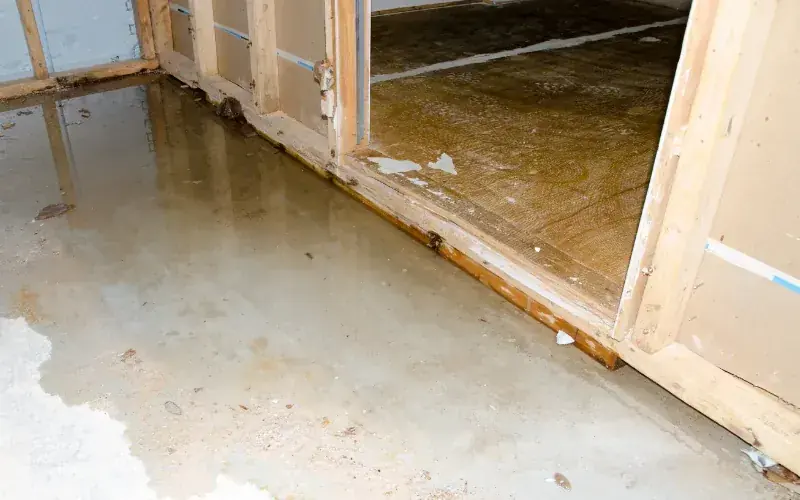
When the rains return to the Hill Country after a dry stretch, the expansive clay under a Spicewood home swells and builds pressure against the foundation. That hydrostatic pressure drives groundwater up through the slab and in at cold joints, tie holes, and hairline cracks, most often into the lowest room of a lakeside or bluff home. It is not a burst pipe, so there is no dramatic flood, just a wet base of a wall or a damp spot on the slab that keeps coming back. Texas Dry Home clears it and dries the structure it soaked.
How foundation and slab seepage is handled in Spicewood
Call and dispatch
The response team answers 24/7, and the nearest Spicewood crew heads out with pumps, air movers, and moisture meters.
On-site assessment
The crew finds the source and the full reach of the water, including what soaked into the slab, subfloor, and wall cavities.
Extract and dry
The extraction crew pulls the standing water, then runs air movers and dehumidifiers to a verified dry standard, not just the surface.
Verify and document
Moisture readings are logged until the structure is dry, then the loss is documented with the photos and daily readings an adjuster needs to move a claim.
Why Hill Country foundations seep
The ground here is built to move water into a house under the right conditions:
- Expansive clay swells when it gets wet and presses against the footing and slab
- The wet and dry cycle opens and closes cracks and cold joints the water then follows
- Bluff and lakeside lots sit downhill of everything, so stormwater collects against the low wall
- Poor grading, buried downspouts, and full gutters send roof water straight to the foundation
You can check whether your lot sits in a mapped flood or high-water area through the FEMA Flood Map Service Center, and the Texas Water Development Board tracks regional flood risk that raises the water table around a home.
Foundation seepage cleanup in Spicewood
The crew starts by clearing the water and finding where it is getting in. Meters and a thermal camera show how far the moisture has wicked up the wall and across the slab, so only what is wet gets opened. The crew extracts standing water, removes soaked baseboard, carpet pad, and the bottom of the drywall where it wicked, then dries the slab and the wall cavity with air movers and dehumidifiers. The structural drying crews monitor the readings daily, because concrete and framing give up trapped moisture slowly. If it has been seeping quietly for a while, the mold remediation crew handles anything that started growing behind the wall.
Water keeps showing up at the base of a wall or on the slab? Call and a crew is on the way across the Lake Travis Hill Country, day or night.
☎ Call (737) 530-9201Move the water away from the foundation
Keeping gutters clear, extending downspouts well away from the house, and grading soil to slope away from the slab reduces the pressure that drives seepage. Steady moisture around the foundation, rather than swinging from bone dry to soaked, also keeps the clay from moving as hard.
Seepage, a slab leak, or a flood?
Telling them apart decides how the loss is handled. Seepage is groundwater pushed in from outside and tends to appear after rain at the base of a wall. A slab leak is a plumbing line failing under the concrete and runs regardless of weather, showing up as a warm spot and a high water bill. A flash flood is surface water coming over the ground in a storm. The crew identifies which one you have and documents it correctly for your carrier.
Drying and keeping it out
Getting the structure dry to a verified reading is what stops a recurring damp wall from becoming a mold and rot problem. The drying team dries the slab and cavity fully, and where the same wall keeps seeping the crew points you toward the drainage and grading fixes that address the cause, so the next big rain does not put you right back where you started.
Why the Lake Travis Hill Country calls the local pros first
Rapid local response
The response team answers 24/7, and the nearest crew heads out the moment you call, day or night, across the Lake Travis Hill Country.
IICRC S500 drying standard
Trained crews with truck-mounted extractors, air movers, and moisture meters who dry to a verified standard, not a mop and a box fan.
Claim-ready documentation
The loss is documented with photos and daily moisture readings, the paperwork an adjuster needs to move a claim.
Lake Travis water experts
Flash floods, slab leaks, clay seepage, wells, and attic AC, so the local pros know how water moves on Hill Country limestone.
From Spicewood to Marble Falls and across the Lake Travis Hill Country
Spicewood water damage pros respond across the west Austin Hill Country, day or night.
Spicewood water damage pros cover the whole Lake Travis Hill Country, day or night, with rapid local response.
Coverage runs across Spicewood, Bee Cave, Lakeway, Steiner Ranch, Marble Falls, Horseshoe Bay, Lago Vista, Dripping Springs, and Leander.
See every town and ZIP covered ›Related restoration services
Spicewood water damage questions, answered
What is the difference between seepage and a slab leak?
Seepage is groundwater pushed in from outside the foundation, usually after rain, and shows up at the base of a wall or on the slab. A slab leak is a plumbing supply line failing under the concrete, which runs regardless of the weather and shows up as a warm floor and a high water bill. The crew identifies which you have.
Why does my foundation only leak after heavy rain?
The expansive clay Hill Country homes sit on swells when it gets wet and pushes water against the foundation. After a dry spell, the first big rain builds the most pressure and finds the cracks and cold joints, which is why seepage tends to appear right after a storm.
Can you stop it from happening again?
The crew dries the current water damage, and for the cause the crew points you toward the grading, gutter, and drainage fixes that move water away from the foundation. Keeping steady moisture around the slab and directing roof runoff away are the biggest preventive steps.
Is foundation seepage covered by insurance?
Groundwater seepage is often excluded from a standard homeowner policy, while a sudden covered event that led to the water may be included, so coverage depends on the cause. The loss and the source are documented clearly, and you are told honestly what is likely covered before the work starts.
Will you have to tear out my wall?
Usually only the wet part. The crew maps how far the moisture wicked with meters, removes soaked baseboard, pad, and the bottom of the drywall, and dries the cavity in place, opening as little as possible while still getting the structure fully dry.
How long does it take to dry?
Concrete and framing release trapped moisture slowly, so foundation seepage usually takes 3 to 6 days of controlled drying with daily readings. The drying team pulls the equipment only once the slab and wall cavity confirm a dry target.
A local Spicewood crew is standing by
Water sitting means damage spreading. Call Texas Dry Home and a local crew heads out across the Lake Travis Hill Country, day or night.
(737) 530-9201Call now, a local crew picks up day or night